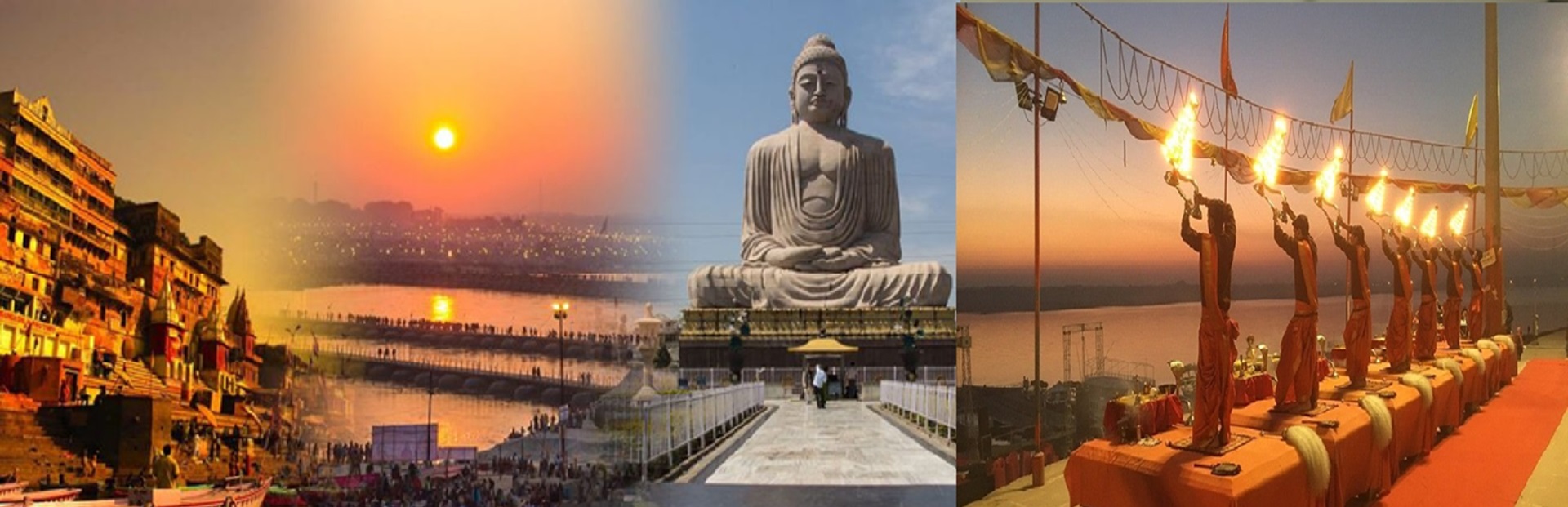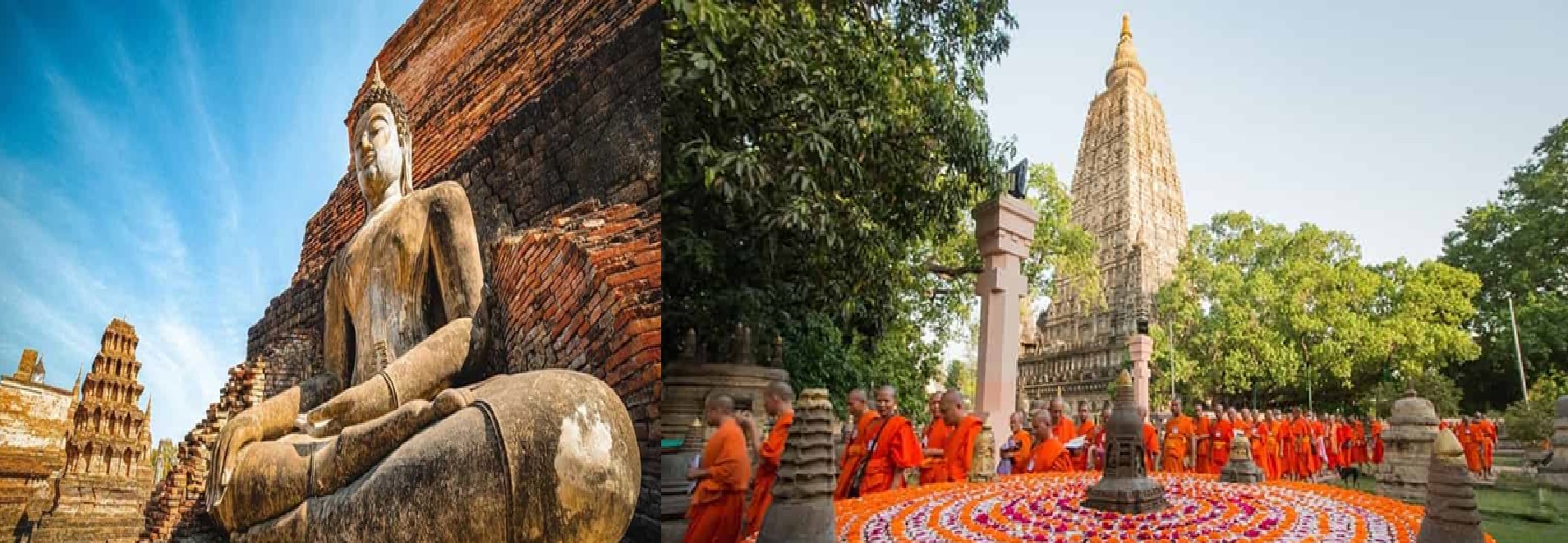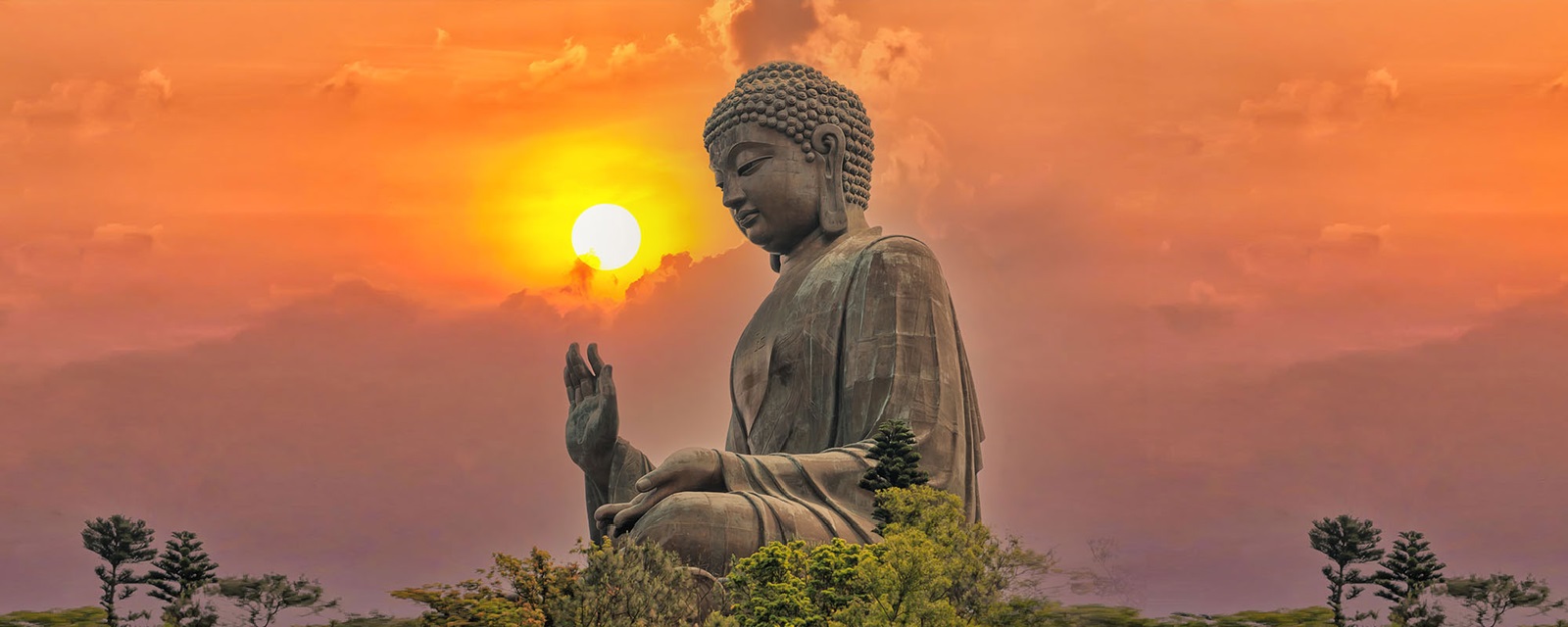
Uttar Pradesh is one of the most blessed states of India, as it preserves the footprints of Gautam Buddha across its land. Four of the eight great Buddhist pilgrimages are located here. From Kapilvastu, the childhood home of Buddha, to Sarnath where he delivered his first sermon, from Shravasti where he spent many monsoons to Kushinagar where he attained Mahaparinirvana—UP holds some of the most sacred Buddhist sites.
The Buddhist Circuit in Uttar Pradesh offers not only ancient monasteries, stupas, and ruins but also the serene experience of Buddhist chants. It is a journey tracing the path of Prince Siddhartha’s transformation into the Enlightened One.
Meet & Greet by Royal Wheels India representative at Delhi Airport / Railway Station. You will be assisted with hotel check-in. In the evening, proceed for a .visit to the National Museum – Buddhist Gallery, showcasing rare artifacts and treasures related to Lord Buddha’s life and teachings.
Overnight stay at Delhi
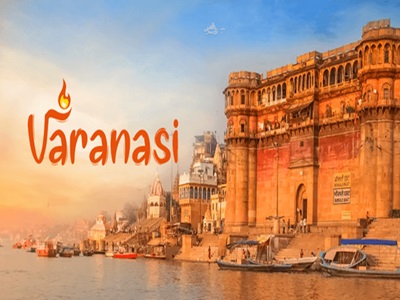
After breakfast, transfer to the airport to board your flight to Varanasi, one of the oldest living cities in the world and a major spiritual hub of India. Upon arrival, proceed for an excursion to Sarnath, the sacred site where Lord Buddha delivered his first sermon after attaining enlightenment at Bodhgaya.
Visit the Dhamek Stupa, marking the exact spot of Buddha’s first discourse, and admire its impressive stonework.
Explore the remains of ancient monasteries and the Ashokan Pillar, symbolizing Emperor Ashoka’s devotion to spreading Buddhism.
Continue to the Sarnath Museum, housing a remarkable collection of Buddhist sculptures, including the iconic Lion Capital of Ashoka—India’s national emblem.
In the evening, return to Varanasi to witness the mesmerizing Ganga Aarti at Dashashwamedh Ghat. The ritual of chanting, lamps, and incense on the banks of the sacred Ganges offers a deeply spiritual experience.
Overnight stay at Varanasi.
After breakfast, embark on a scenic drive to Bodh Gaya (approx. 6 hours), one of the most revered Buddhist pilgrimage destinations in the world. On arrival, check in at the hotel and relax for a while.
In the evening, proceed for a spiritual visit to the Mahabodhi Temple Complex – a UNESCO World Heritage Site. This is the very place where Prince Siddhartha meditated under the Bodhi Tree and attained enlightenment, transforming into Lord Buddha. The temple’s soaring architecture, serene meditation spots, and sacred Bodhi Tree make this an unforgettable experience. Devotees from across the globe can be seen chanting, meditating, and circumambulating the holy shrine, adding to the divine atmosphere.
You may also explore the nearby shrines and monasteries built by Buddhist communities from Thailand, Japan, Bhutan, and other countries, each reflecting unique architectural styles.
Overnight stay at Bodh Gaya.

After an early breakfast, drive towards Rajgir (approx. 2.5 hrs), an ancient capital of the Magadh Empire and a significant place in Buddhist history. Lord Buddha spent many years here, meditating and preaching.
Visit Vulture’s Peak (Griddhakuta Hill), where Buddha delivered several important sermons, including the Lotus Sutra. The panoramic views of the hills and serene surroundings make it a truly spiritual experience.
Explore the Venuvana (Bamboo Grove), a monastery gifted to Buddha and his disciples by King Bimbisara. It is believed to be one of the earliest Buddhist monasteries.
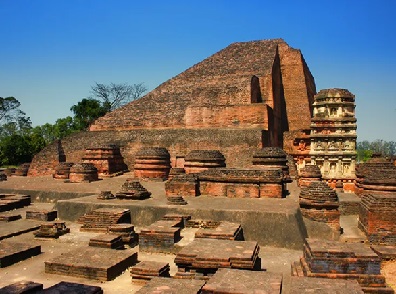
Continue your journey to Nalanda (approx. 1 hr), home to the ruins of the great Nalanda University, the world’s first residential university dating back to the 5th century CE. The vast red-brick structures, lecture halls, and monasteries here once hosted over 10,000 students and 2,000 teachers from across Asia.
Visit the Nalanda Archaeological Museum, which preserves ancient manuscripts, sculptures, and artifacts discovered from the site, offering a glimpse into its glorious past.
Later, proceed to Patna, the capital city of Bihar (approx. 3 hrs drive). On arrival, check in at the hotel for an overnight stay.
After breakfast, drive to Vaishali (approx. 2 hrs), a significant site in Buddhist history and the place where Lord Buddha delivered his last sermon, announcing his approaching Mahaparinirvana.
Visit the Ashokan Pillar, crowned with a single lion capital, symbolizing Emperor Ashoka’s devotion to Buddhism.
Explore the remains of stupas and monasteries that once flourished here, including the Relic Stupa, believed to enshrine one of Buddha’s relics.
Vaishali is also closely associated with the birth of Mahavira, the 24th Jain Tirthankara, making it an important site for both Buddhists and Jains.
After sightseeing, continue the long drive to Kushinagar (approx. 6–7 hrs), a serene town and one of the holiest pilgrimage sites for Buddhists worldwide. Upon arrival, check in at the hotel.
In the evening, visit the revered sites of Kushinagar:
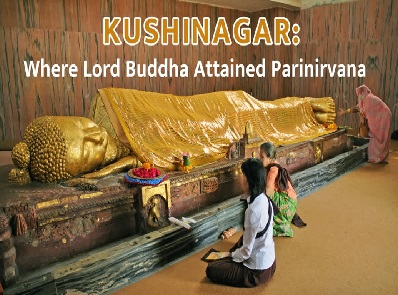
Parinirvana Temple, housing the famous 6.1-metre-long reclining statue of Lord Buddha, depicting his final moments before attaining Mahaparinirvana.
Ramabhar Stupa, marking the cremation site of Lord Buddha, where devotees pay homage in silence and prayer.
Walk around the peaceful monastic complexes established by Buddhist communities from across the globe, offering a truly international spiritual experience.
Overnight stay at Kushinagar.
Day 6: Kushinagar – Lumbini (Nepal)
Morning:
After breakfast, check out from your hotel in Kushinagar and drive towards the India–Nepal border (Sunauli). Complete the immigration and customs formalities before entering Nepal.
Afternoon:
Continue your journey to Lumbini, the sacred birthplace of Lord Buddha (a UNESCO World Heritage Site). On arrival, check into your hotel and freshen up.
Sightseeing in Lumbini:
Maya Devi Temple – The exact spot where Queen Maya Devi gave birth to Prince Siddhartha (Lord Buddha). The temple houses the marker stone and a sacred pond where Maya Devi is believed to have bathed before giving birth.
Ashokan Pillar – An ancient sandstone pillar erected by Emperor Ashoka in 249 B.C. to commemorate his pilgrimage to this holy site.
Sacred Garden & Monastic Zone – A peaceful area dotted with monasteries built by Buddhist communities from different countries (Thailand, Myanmar, China, Japan, Sri Lanka, Germany, and others), showcasing diverse architectural styles and Buddhist traditions.
Evening:
Spend time meditating or enjoying the serene atmosphere of the World Peace Pagoda (Shanti Stupa), surrounded by lush greenery.
Overnight Stay in Lumbini.

Day 7: Lumbini – Kapilavastu – Shravasti
Morning:
After breakfast, drive from Lumbini to Kapilavastu (Tilaurakot in present-day Nepal), the ancient capital of the Shakya kingdom and the hometown of Prince Siddhartha (later known as Lord Buddha).
Explore the ruins of the royal palace, believed to be the place where Siddhartha spent his early years before renouncing worldly life.
Visit nearby sites such as Stupas and Monasteries built by Buddhist devotees, which mark important events from Buddha’s early life.
Experience the serenity of this historic place, still echoing with spiritual significance.
Afternoon:
Proceed to Shravasti (India), another major Buddhist pilgrimage site. On arrival, check in to your hotel.
Sightseeing in Shravasti:
Jetavana Monastery – One of the most famous Buddhist monasteries where Lord Buddha spent 24 rainy seasons, delivering many important sermons.
Ananda Bodhi Tree – A sacred Bodhi tree planted by Ananda (one of Buddha’s chief disciples) for devotees to offer prayers when Buddha was away.
Explore the ruins of ancient stupas and monasteries scattered across the city, reflecting its glorious Buddhist past.
Evening:
Spend time in meditation or enjoy the tranquil atmosphere of Shravasti, which was once a major center for Buddhist learning and philosophy.
Overnight Stay in Shravasti.
After breakfast, check out from your hotel in Shravasti. Begin your drive to Lucknow, the capital city of Uttar Pradesh (approx. 4–5 hours by road). Enjoy the scenic landscapes of rural Uttar Pradesh along the way.
Afternoon – Arrival in Lucknow:
Upon arrival, check in at your hotel and relax. After lunch, you may have some leisure time to explore the city at your own pace or enjoy the hotel facilities.
Bauddha Dharmankur Sabha
Established in 1907, this is the oldest Buddhist temple in Lucknow, founded by monk Bir Kripa Saran Bhikshu. It's located on Risaldar Road and is a significant center for Buddhist activities in the city.
Budh Vihar Temple
Situated on Risaldar Road, this temple is another prominent Buddhist site in Lucknow, offering a peaceful environment for meditation and reflection.
Gautam Buddha Park
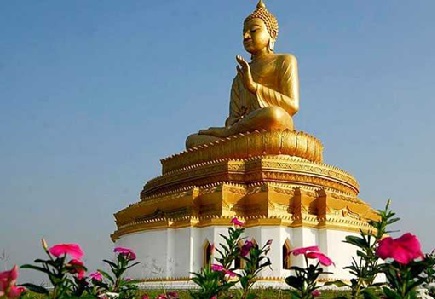
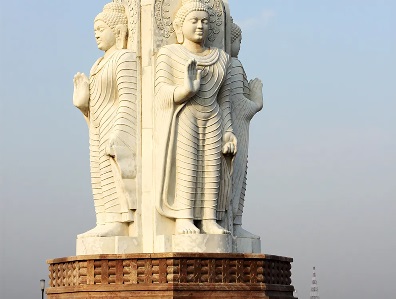
Located near Rumi Gate, this park features a large statue of Lord Buddha and serves as a serene spot for visitors to relax and meditate.
Dr. Bhimrao Ambedkar Park
While primarily dedicated to Dr. Ambedka
Rest at your hotel in Lucknow, concluding the spiritual and cultural journey of your Buddha Circuit tour. Over Night Stay AT Lucknow
Departure from Lucknow – Return Home
After breakfast, check out from your hotel and proceed to Lucknow Airport to board your domestic flight to New Delhi. On arrival at New Delhi, connect with your international flight back home.
Royal Wheels India thanks you sincerely for choosing our services and for your punctuality. We hope you leave India with sweet memories of your spiritual and cultural journey and look forward to welcoming you again on your next adventure.
Comfortable A/C transport with driver & guide.
Hotel accommodation with breakfast & dinner.
Monument entry fees & permits.
Assistance with Nepal entry formalities.
Meditation & cultural sessions.
Air / train fare.
Personal expenses, tips, and laundry.
Travel insurance.
Expert Buddhist Guides for meaningful insights.
Customizable Packages – Honeymoon, Family, Corporate, Group Tours.
Comfort & Safety – Handpicked hotels & well-maintained vehicles.
Special Add-ons – Meditation retreats, cultural evenings, local cuisine experiences.
This package beautifully traces the footsteps of Lord Buddha while ensuring comfort & cultural immersion for travelers.
Would you like me to also create a shorter 5–6 Days Buddha Tour (India only) option, for guests who don’t want to include Nepal?